Where the cloth comes from
Nine weaves, eight districts.
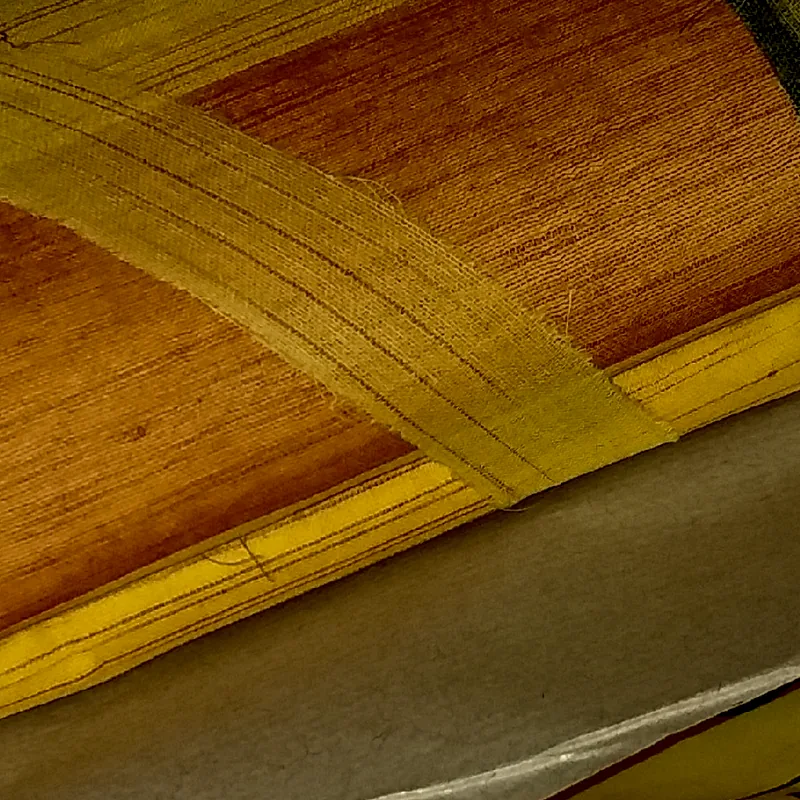
Each one is photographed flat at the same distance, so the wall reads as a comparison rather than a gallery.
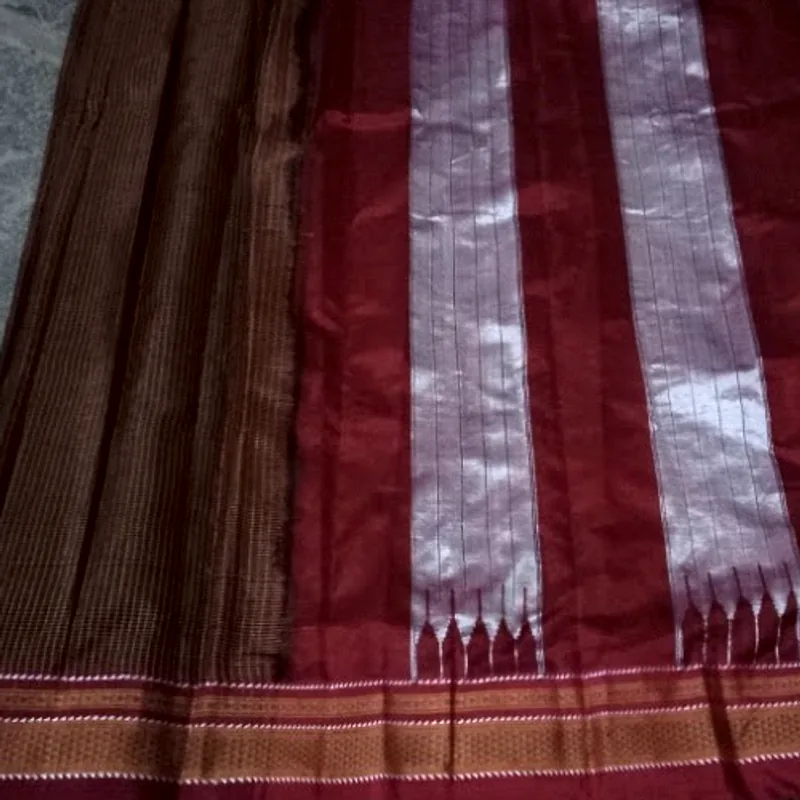 IlkalIlkal, BagalkotA cotton body and a silk pallu, joined by a row of hand-tied loops.1 piece
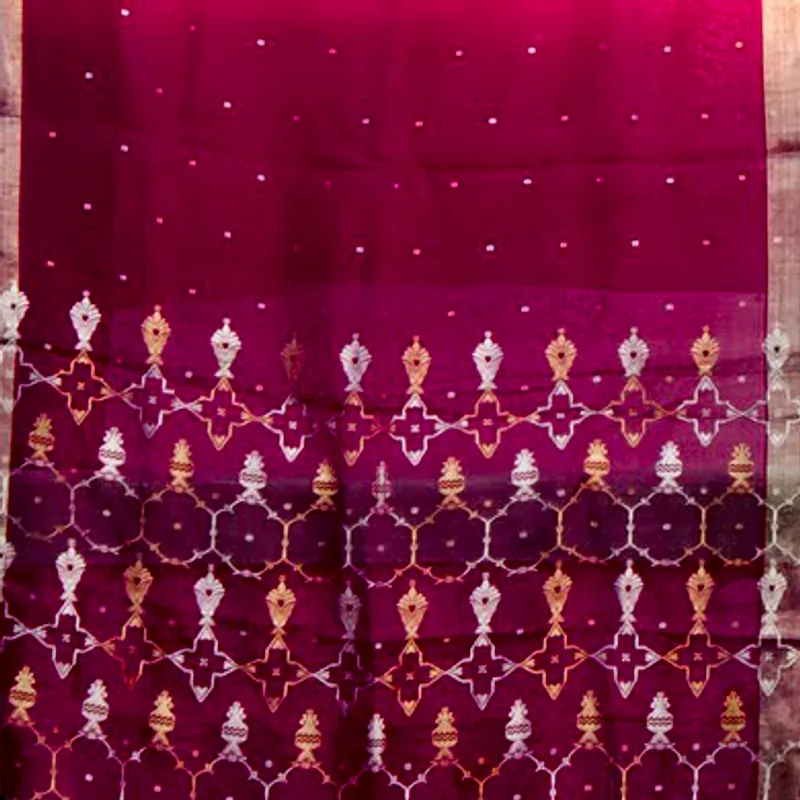 ChanderiChanderi, AshoknagarSilk warp on a cotton weft, woven sheer enough to hold the light.2 pieces
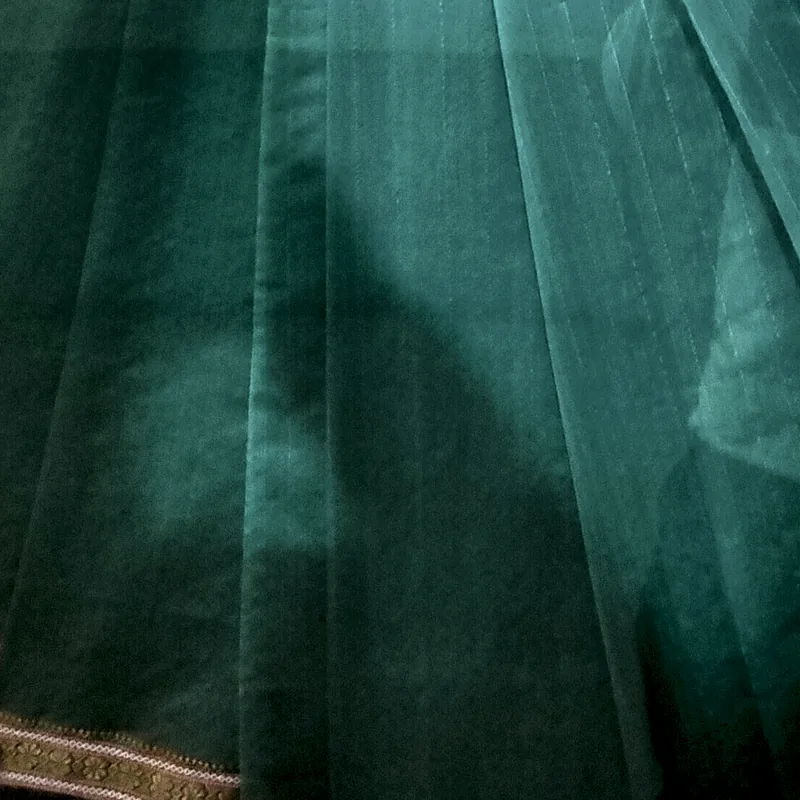 MaheshwariMaheshwar, KhargoneA border that reads the same from either side, so there is no wrong way round.2 pieces
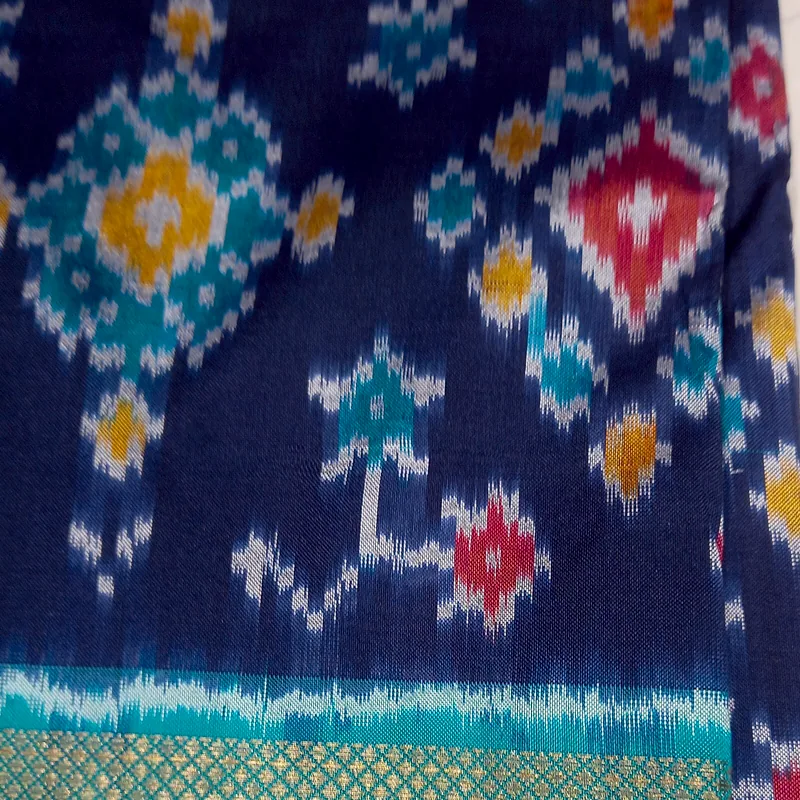 PochampallyBhoodan Pochampally, Yadadri BhuvanagiriBoth threads are dyed before weaving, which is why every edge feathers.1 piece
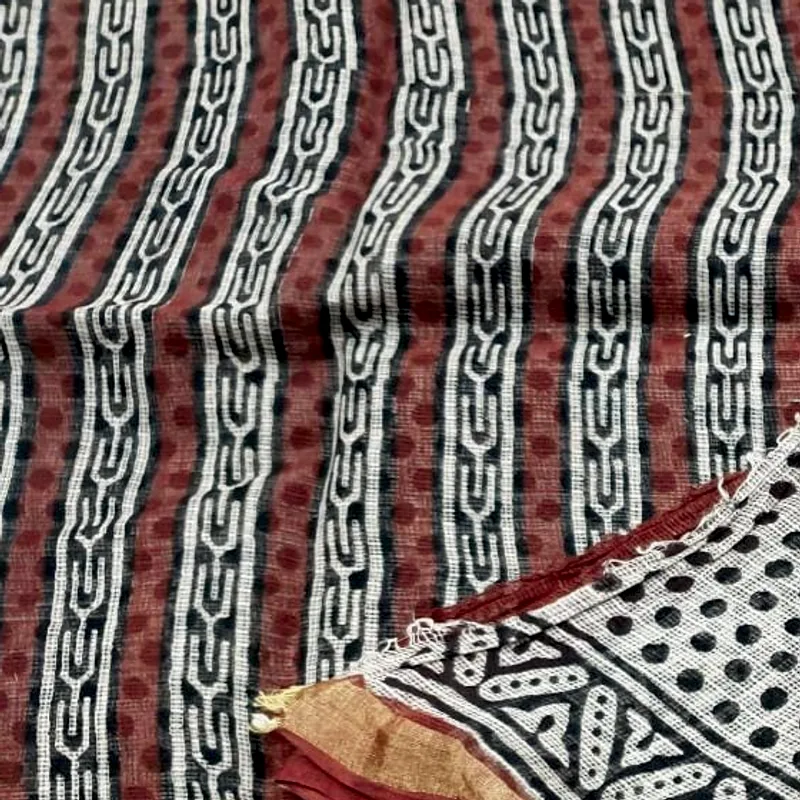 Kota doriaKaithoon, KotaCotton and silk alternated into a square check that leaves the cloth transparent.3 pieces
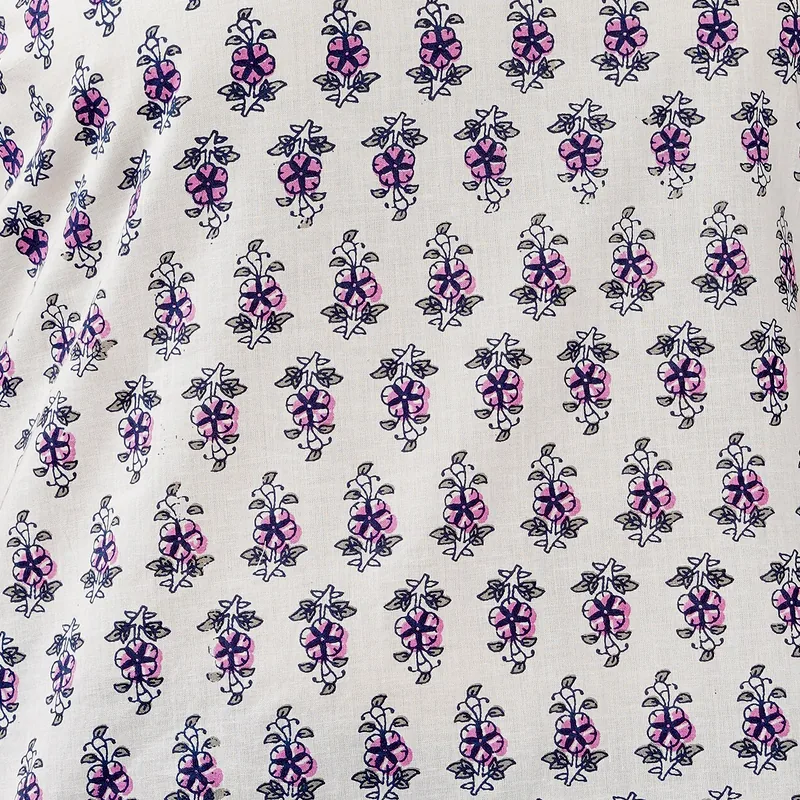 BagruBagru, JaipurSteeped in harda before a block ever touches it, which is where the buff ground comes from.3 pieces
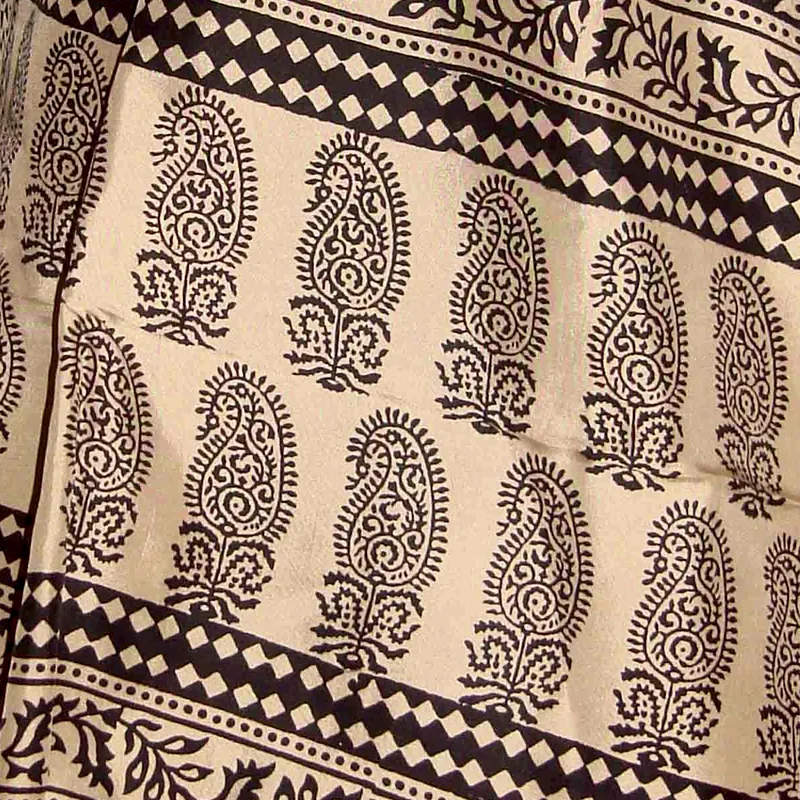 BaghBagh, DharIron and alum, then the river — the washing is what fixes the black.1 piece
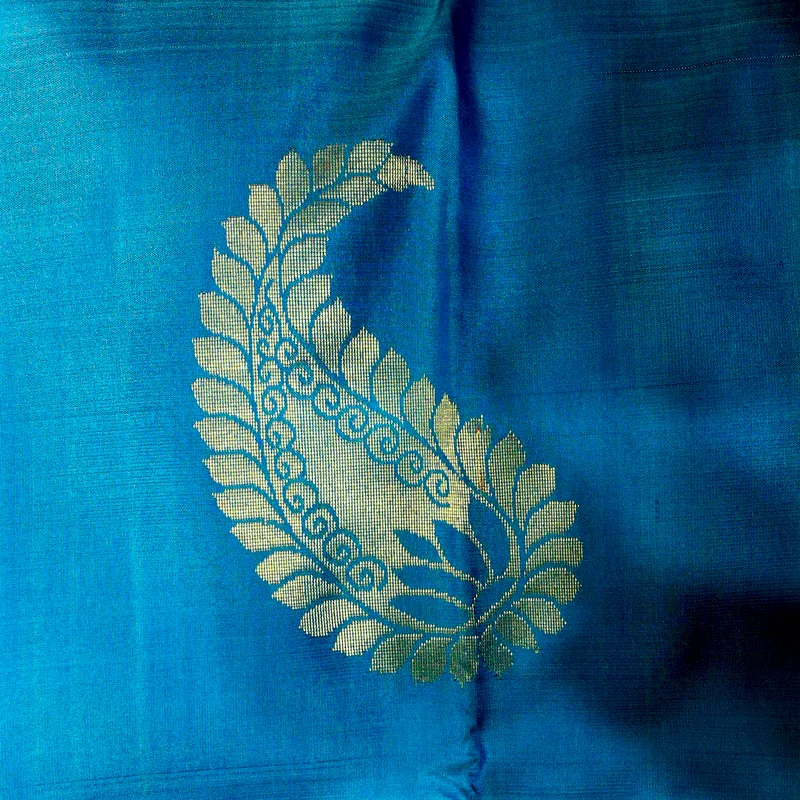 KanchipuramKanchipuram, Tamil NaduBody, border and pallu are woven apart, then locked together thread by thread.2 pieces
 TantWest BengalBengal cotton, woven open and light — the one cloth that survives a wet June.1 piece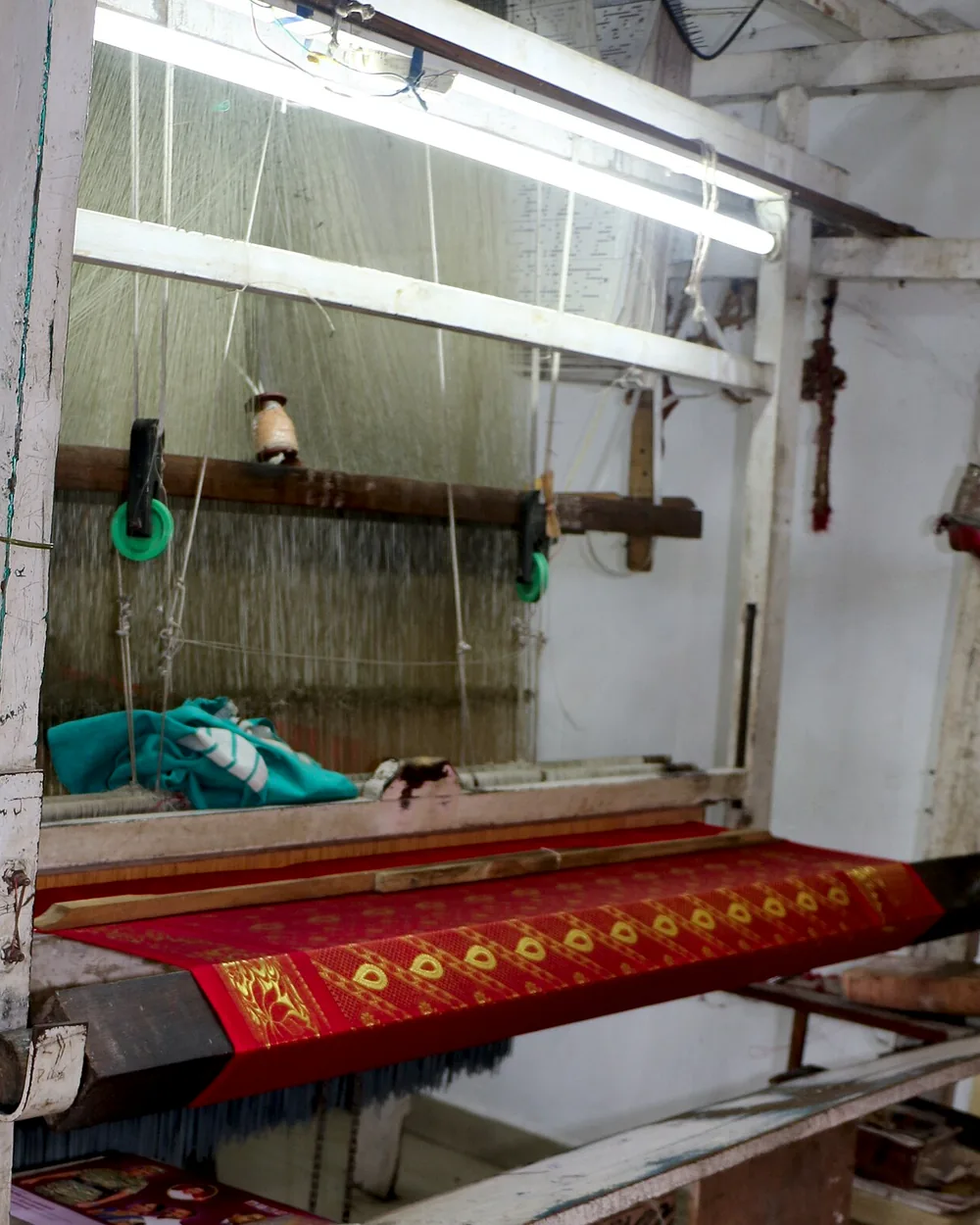
Why we name the district.
A weave name on its own is a style; a weave name with a district behind it is a claim someone can check. Every attribution here is checked against the Geographical Indications registry or NABARD’s craft documentation before it goes on the page.
Where we could not verify a cloth, it is not on this site. That is the whole policy.